

 By
By A clothes dryer is one of the most convenient appliances in a modern home. With the press of a button, it can turn a pile of wet laundry into clean, dry clothes. But like any heat-producing appliance, a dryer requires regular care and attention.
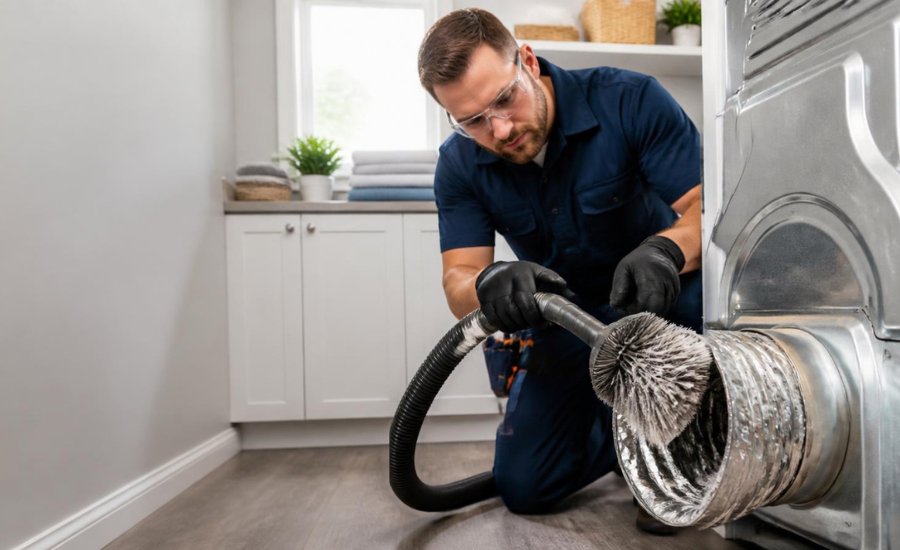
One of the most important parts of dryer maintenance is keeping the dryer vent system clean and properly maintained. Lint and debris can accumulate inside the lint screen, exhaust duct and vent, restricting airflow and creating conditions that can contribute to overheating.
The good news? Many dryer-related problems can be reduced with a few simple safety habits.
Why Dryer Fire Safety Matters
Every time you dry clothes, the dryer produces heat and moisture. Lint from clothing can also become airborne and collect in different parts of the dryer and vent system.
When airflow is restricted, the dryer may have to work harder to remove moisture. This can result in longer drying times and increased heat buildup.
A clean, unobstructed vent allows moist air to escape efficiently and helps your dryer operate as intended.
1. Clean the Lint Filter After Every Load
The lint screen should be cleaned after every drying cycle. It is one of the simplest and most important dryer maintenance habits.
Remove the collected lint and dispose of it properly. Occasionally, wash the lint screen according to the manufacturer’s instructions because fabric-softener residue can build up and reduce airflow through the screen.
Never operate a dryer without its lint filter properly installed.
2. Pay Attention to Longer Drying Times
Does your dryer seem to take much longer than it used to?
Long drying cycles can be a warning sign of restricted airflow. Other possible causes include an overloaded dryer, a dirty lint filter, an unsuitable cycle or an appliance issue.
If basic checks do not solve the problem, inspect the exhaust system and consider professional dryer vent cleaning in Nampa to determine whether lint or debris has accumulated inside the vent.
3. Watch for Other Warning Signs
A dryer that needs attention may show several signs, including:
- Clothes remain damp after a normal cycle
- The dryer or laundry area becomes unusually hot
- The dryer repeatedly requires multiple cycles
- A burning or unusual odor is noticeable
- Excessive lint appears around the dryer
- The outside exhaust vent has weak airflow
- The dryer shuts off unexpectedly
These signs do not necessarily mean a fire is imminent. However, they should not be ignored.
4. Keep the Area Around Your Dryer Clear
Avoid storing cardboard boxes, paper, cleaning products, clothing or other combustible materials immediately around the dryer.
Keep the area clean and provide adequate space around the appliance according to the manufacturer’s installation requirements.
A clean laundry area makes it easier to spot lint accumulation, damaged hoses or other potential problems.
5. Inspect the Dryer Vent and Exhaust
The dryer vent carries hot, moist air from the appliance to the outside of your home. If the vent becomes clogged or restricted, airflow can be reduced.
Check the exterior exhaust opening periodically. Make sure it is not blocked by lint, debris, snow, vegetation or other materials.
If you are unsure when your vent was last professionally cleaned, searching for dryer vent cleaning nearby can help you find a qualified local service provider for an inspection and cleaning.
6. Don’t Overload Your Dryer
Overloading can prevent clothes from tumbling properly and can make drying less effective. Follow the manufacturer’s recommended load capacity and separate heavy items from lighter fabrics when appropriate.
Proper loading can help your dryer operate more efficiently while reducing unnecessary drying time.
7. Never Ignore Burning Smells
If you notice a burning smell coming from your dryer, stop using the appliance and investigate the issue. Check the lint filter and surrounding area, but don’t attempt to operate the dryer again if you suspect an electrical, mechanical or ventilation problem.
For serious concerns, have the appliance inspected by a qualified professional.
How Often Should a Dryer Vent Be Cleaned?
There is no single cleaning interval that works for every household. Frequency depends on factors such as how often you use the dryer, the length and configuration of the vent, the type of laundry you dry and how much lint your loads produce.
Homes with frequent dryer use may need more frequent inspection and cleaning. If drying times are increasing or airflow seems weak, don’t wait for a scheduled maintenance date.
Make Dryer Safety Part of Your Routine
Dryer fire prevention doesn’t require complicated maintenance. Clean the lint filter after every load, keep the area around the appliance clear, pay attention to changes in drying performance and have the vent system inspected when necessary.
Regular maintenance can help keep your dryer operating properly while reducing the risk associated with lint buildup and restricted airflow.
When in doubt, a professional inspection can determine whether your dryer vent needs cleaning and whether there are other issues affecting airflow. A few simple precautions can go a long way toward keeping your laundry routine safer, cleaner and more efficient.