

 By
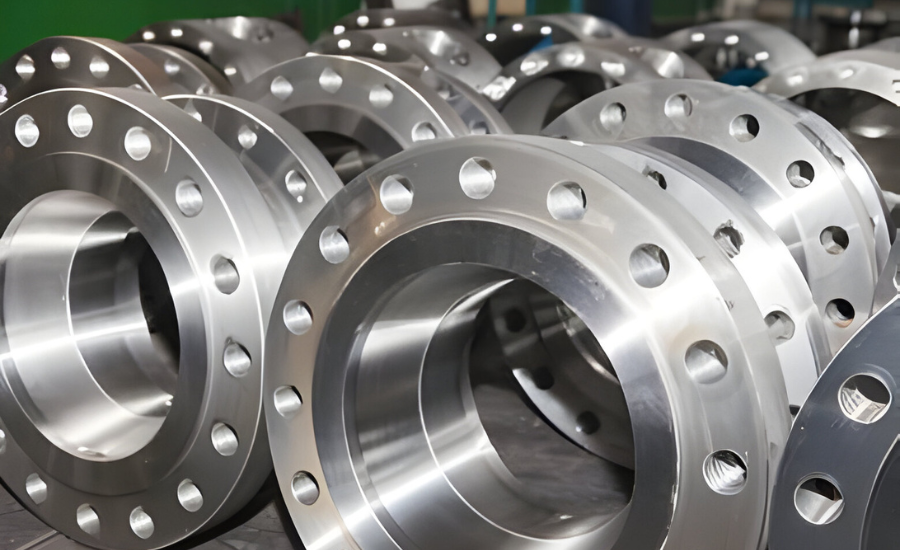
By In chemical and petrochemical industries, where pipelines carry aggressive chemicals, high-pressure fluids, and volatile gases, every connection matters. Among the most critical components ensuring system integrity are industrial flanges. High-quality flanges are not just connectors—they are essential for safety, efficiency, and long-term operational reliability.
Let’s explore why investing in superior flange quality is crucial for these demanding environments.
Why Flanges Matter in Critical Industries
Chemical and petrochemical plants operate under extreme conditions:
- High pressure and temperature
- Corrosive and hazardous substances
- Continuous, large-scale operations
In such scenarios, even a minor leak or failure can lead to:
- Safety hazards
- Environmental damage
- Costly downtime
High-quality flanges act as the first line of defense, ensuring secure and leak-proof connections across the piping system.
Key Roles of High-Quality Flanges
1. Ensuring Leak-Proof Connections
Flanges, when paired with the right gasket and bolting, create tight seals that prevent leakage of hazardous chemicals or gases.
👉 In industries dealing with toxic substances, even microscopic leaks can be dangerous—making precision-engineered flanges a necessity.
2. Withstanding Harsh Operating Conditions
Premium flanges are designed to perform under:
- Extreme temperatures
- High-pressure systems
- Corrosive environments
Materials like stainless steel (SS 304, 304L, 316) and alloy steels are commonly used to ensure durability and resistance to chemical reactions.
3. Enhancing Safety Standards
Safety is non-negotiable in chemical plants. High-quality flanges:
- Reduce the risk of sudden failures
- Maintain system integrity under stress
- Support compliance with global safety standards
A reliable flange system protects both personnel and infrastructure.
4. Facilitating Maintenance and Inspection
Unlike welded joints, flanged connections can be easily opened and reassembled.
This allows:
- Quick inspection of pipelines
- Easy replacement of components
- Reduced maintenance downtime
👉 In large-scale plants, this flexibility significantly improves operational efficiency.
5. Improving Flow Efficiency
Precision manufacturing ensures:
- Smooth internal surfaces
- Proper alignment of pipes
This minimizes turbulence, pressure loss, and energy consumption—especially important in high-volume fluid transfer systems.
6. Long-Term Cost Savings
While high-quality flanges may have a higher upfront cost, they:
- Reduce maintenance frequency
- Prevent leak-related losses
- Extend system lifespan
👉 Over time, they offer a much better return on investment compared to low-grade alternatives.
Common Flange Types Used in Chemical Plants
Different applications require different flange types:
- Weld Neck Flanges – Ideal for high-pressure, high-temperature systems
- Slip-On Flanges – Suitable for low to moderate pressure
- Blind Flanges – Used for sealing pipeline ends
- Lap Joint Flanges – Preferred where frequent dismantling is required
Selecting the right type ensures optimal performance and safety.
Importance of Material Selection
Material choice is critical in chemical and petrochemical applications:
- SS 304/304L – Excellent corrosion resistance for general chemical use
- SS 316 – Better resistance to chlorides and harsh chemicals
- Alloy Steel – Suitable for extreme temperatures and pressures
Choosing the wrong material can lead to corrosion, contamination, or system failure.
Why Manufacturer Quality Matters
The performance of a flange is directly linked to its manufacturing quality. Trusted manufacturers ensure:
- Precision machining and finishing
- Strict quality control standards
- Compliance with ASME/ANSI/DIN specifications
- Reliable performance in demanding conditions
Poorly manufactured flanges can compromise even the best-designed systems.
Final Thoughts
In chemical and petrochemical plants, flanges are far more than simple connectors—they are critical safety components that impact every aspect of operations. From preventing leaks to enabling maintenance and ensuring long-term durability, high-quality flanges are indispensable.
Cutting corners on flange quality may save money initially, but it significantly increases the risk of failures, downtime, and safety incidents. On the other hand, investing in premium-grade flanges ensures peace of mind, operational efficiency, and long-term reliability.
Conclusion
For engineers and plant operators, the message is clear:
Choose quality, choose reliability.
High-quality flanges are not just a component—they are a commitment to safety, performance, and excellence in every pipeline system.